
Customer Reviews Are Just the Beginning: Why Review Tools Need to Do More
Collecting reviews is only one part of building buyer trust. Brands also need to support buyers after purchase and understand their experiences.

October 12, 2026 · 4 min read


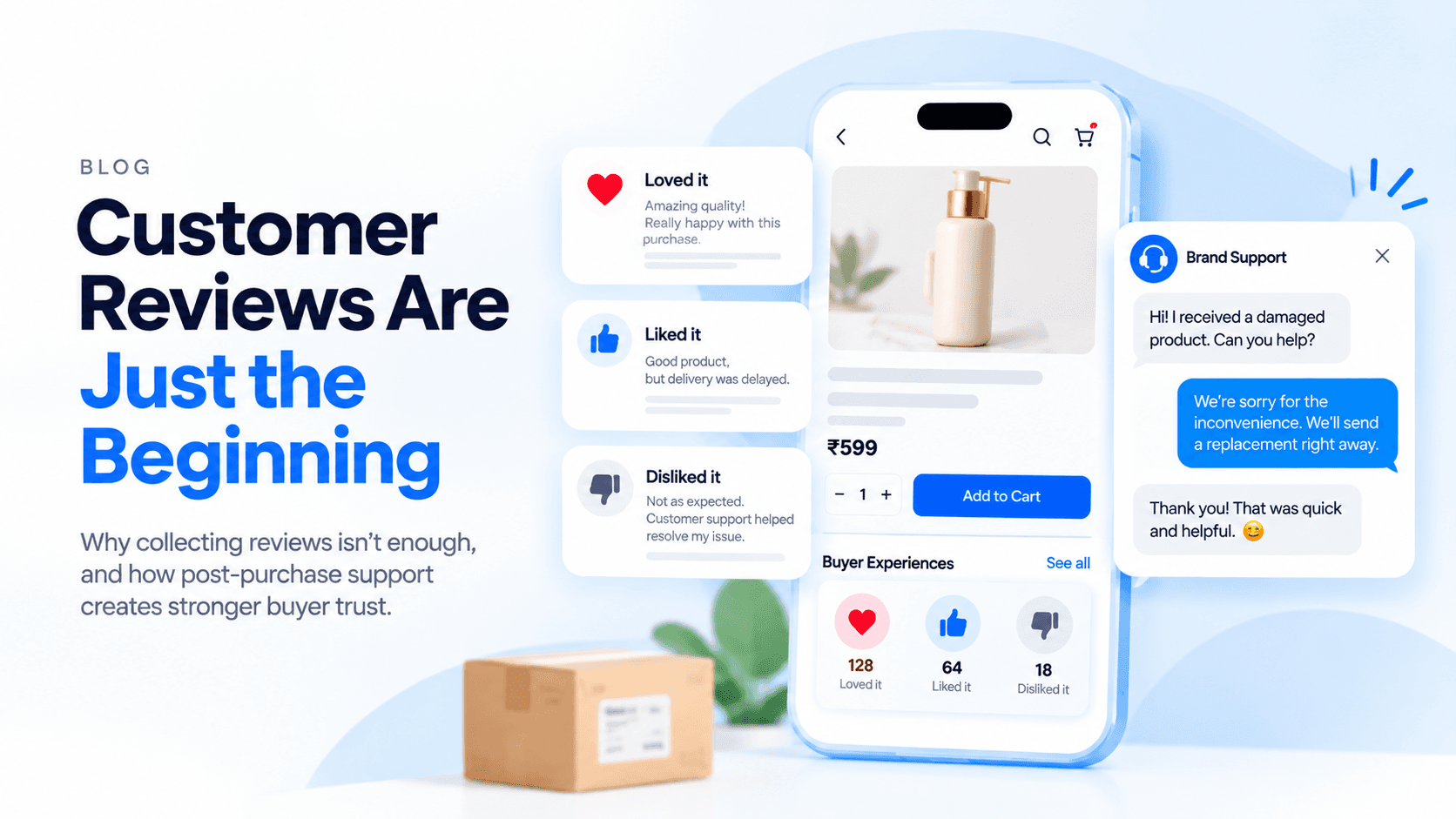
Customer reviews help shoppers make informed decisions. But for ecommerce brands, collecting reviews is only one part of building buyer trust.
When a customer purchases a product, their journey doesn't end at checkout. They may have questions, experience a delivery issue, or discover that a product doesn't meet their expectations.
What happens next can shape how they feel about the brand — and whether they choose to buy again.
This is where a traditional customer review platform can leave an important gap. Brands need more than a way to collect reviews. They need a way to support buyers after purchase, understand their experiences, and help future customers make confident decisions.
Why collecting customer reviews isn't enough
Many ecommerce brands use review collection software to gather ratings, display testimonials, and build social proof on product pages.
These are valuable capabilities. However, a review request alone doesn't address the underlying problem when a buyer is unhappy.
Imagine a customer receives a damaged product. They may want a replacement, an explanation, or help from the brand — not simply a form asking them to rate their purchase.
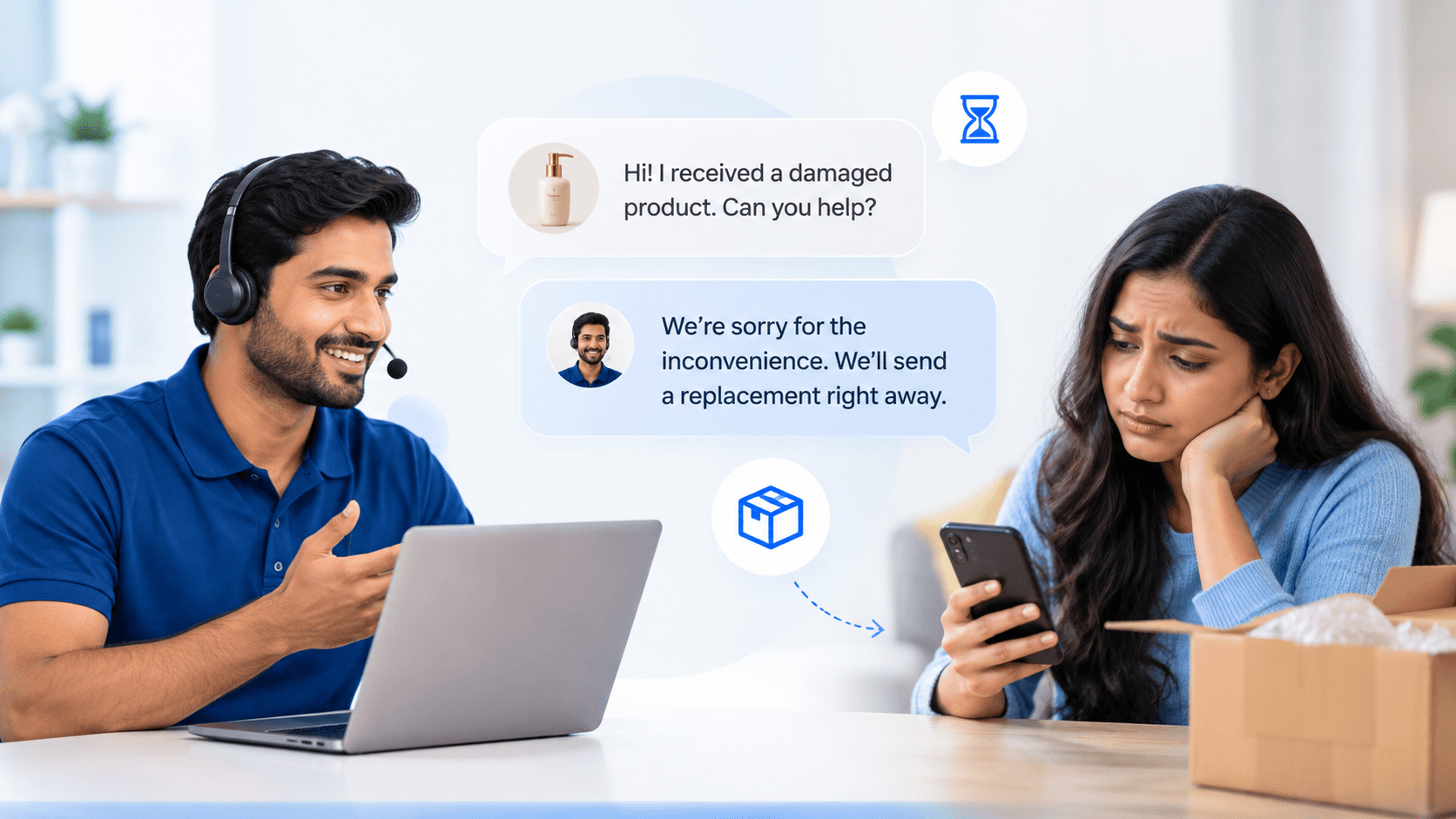
If the brand makes support difficult to access, frustration can grow. The customer may leave an angry review, contact the brand through multiple channels, or decide not to purchase again.
The opportunity is to make support accessible and give the brand a chance to address the concern, while preserving the buyer's right to share an honest experience.
A review tells you what a buyer experienced. Support gives you an opportunity to respond.
What should happen before a buyer shares an experience?
A better post-purchase customer experience starts by recognising that different buyers have different needs.
Some customers are happy and ready to share what they loved. Others may have questions or concerns that need attention.
A thoughtful journey can include four steps:
1. Make support easy to access
Buyers shouldn't have to search through emails or multiple website pages to find the brand's contact details. Provide a clear path to customer support.
2. Understand the buyer's concern
Give customers a way to explain what went wrong, whether it relates to product quality, delivery, or unmet expectations.
3. Give the brand an opportunity to respond
Acknowledge the issue and help the buyer understand the next steps. Resolution may not always be possible in the way the customer expects, but clear communication matters.
4. Collect authentic buyer experiences
Make it easy for customers to share what they genuinely experienced. Positive, mixed, and negative experiences can all provide useful information for future buyers and the brand.
This approach doesn't mean preventing negative reviews. It means treating customer support and honest experience collection as complementary parts of the same journey.
Why this matters on ecommerce product pages
A product page is often where a potential customer makes the final purchase decision.
Product descriptions and images explain what a brand promises. Customer reviews and buyer experiences can help shoppers understand how the product performs in real life.
But shoppers may want more context than a rating alone can provide.
They may ask:
- What did other buyers actually experience?
- What did they like or dislike about the product?
- If something went wrong, could they contact the brand?
- What should they realistically expect after purchasing?
When authentic experiences and relevant support information are accessible, buyers have more context to make informed decisions.
For D2C and Shopify brands, this can help connect product discovery with the experience customers have after checkout.
How BuyerProof goes beyond a basic review tool
BuyerProof connects post-purchase support with buyer experience collection.
Instead of focusing only on gathering and displaying reviews, BuyerProof helps buyers connect with brands when they need support and share their experiences for future shoppers.
This creates value at two stages of the customer journey.
- For buyers: They have a clearer way to seek support after purchase and share what they genuinely experienced.
- For brands: They can learn what buyers love, identify recurring concerns, and gain insight into the post-purchase customer experience.
- For future shoppers: Buyer experiences displayed on product pages can provide additional context beyond product descriptions alone.
The result is a broader approach to customer trust — one that considers what happens before, during, and after a buyer shares an experience.
What to look for in a customer review platform
If you're comparing customer review platforms, review collection software, or the best Shopify review app for your store, consider more than how many reviews a tool can collect.
Look for a solution that helps you:
- Collect authentic buyer experiences.
- Make post-purchase customer support easier to access.
- Understand recurring product and customer concerns.
- Present useful buyer experiences on product pages.
- Build trust without hiding genuine negative experiences.
The right platform should support your wider customer experience strategy, not simply add another rating widget to your website.
Final thoughts
Customer reviews remain an important part of ecommerce. They help shoppers learn from other buyers and make more informed purchase decisions.
But collecting reviews is only the beginning.
When brands make support accessible, respond to concerns, and collect authentic buyer experiences, they create more opportunities to build trust throughout the customer journey.
That's the broader opportunity behind BuyerProof: helping brands support buyers after purchase while making real buyer experiences useful to the next customer.
Because a better buying experience shouldn't end when the order is delivered.
32 Reactions
About the Author
Product Designer & Strategist