
The Next D2C Growth Opportunity Is After the Purchase
Acquiring a customer is only the beginning of the relationship. What happens after the order shapes retention and long-term customer value.

October 12, 2026 · 5 min read


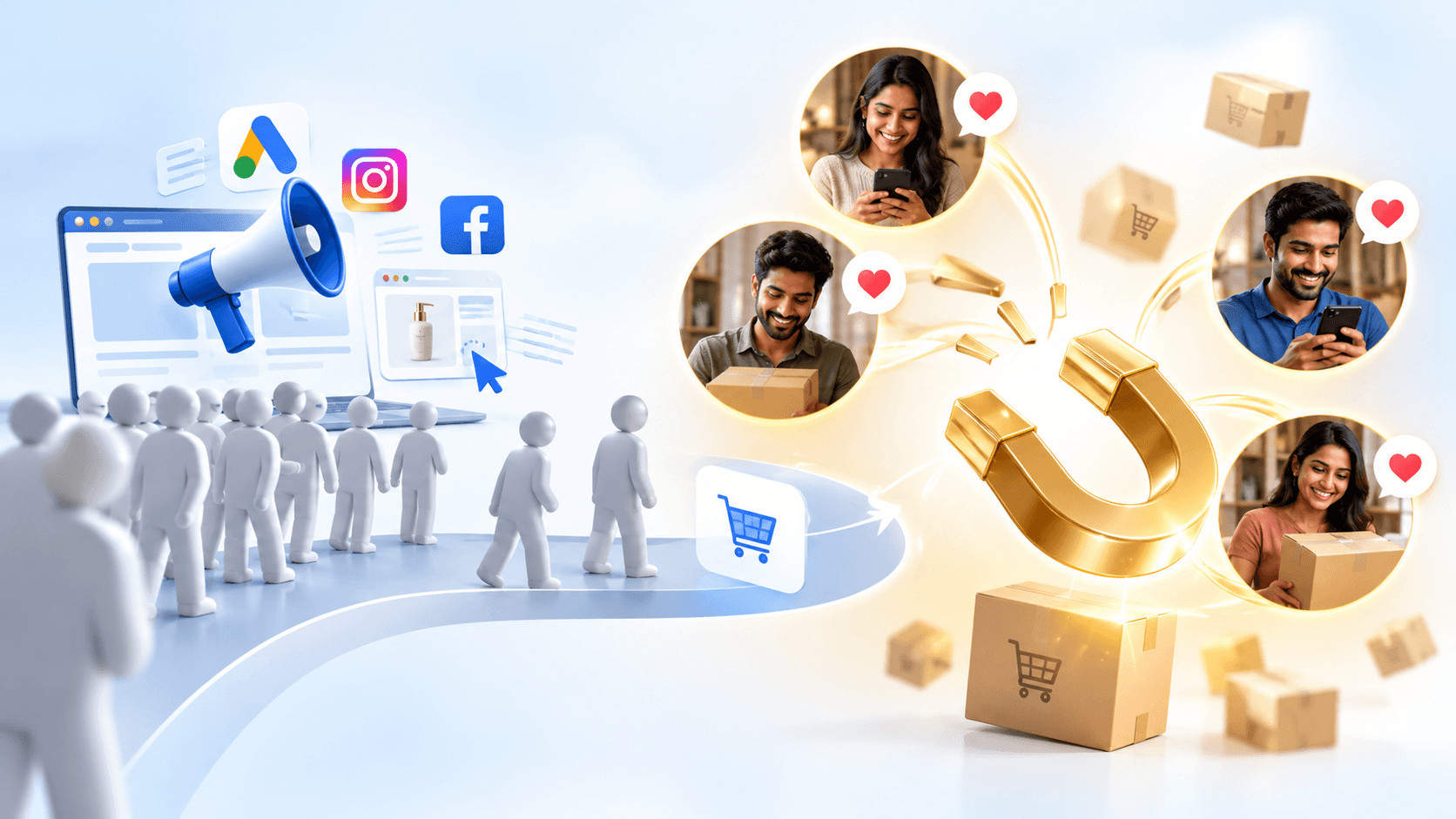
Every D2C brand wants better ROAS, lower CAC, higher conversion rates, and profitable growth. Brands invest in paid ads, influencer campaigns, performance marketing, and product page optimization to bring more customers into their stores.
But there is another part of the customer journey that often receives less attention: what happens after the customer places an order?
Because acquiring a customer is only the beginning of the relationship.
Your Existing Customers Are Gold
You spend on ads to acquire new customers, optimise ROAS, and bring down CAC. But your existing customers could be one of your biggest growth opportunities. A great post-purchase experience can build trust, encourage repeat purchases, and improve long-term customer value (LTV). Before spending more to acquire the next customer, make sure you're taking care of the ones you already have.
The Rising Cost of Customer Acquisition
When CPC increases, every click becomes more expensive. If conversion rates remain unchanged, brands may need to spend more to acquire the same number of customers. And when CAC rises, maintaining profitable growth becomes more challenging.
This is why performance marketing cannot be evaluated only by clicks, traffic, or even first-order ROAS.
A customer might click an ad, purchase a product, and never return. Another customer might purchase, receive a good experience, contact the brand when they need help, and eventually order again.
Both customers count as conversions. But their long-term business value can be very different.
Customer acquisition brings buyers into your business. The post-purchase experience influences what happens next.
ROAS Is Important. What Happens After the Sale Matters Too.
A strong ROAS can indicate that a campaign is generating revenue relative to its advertising spend. However, it doesn't automatically tell you whether customers are satisfied, whether they will purchase again, or how much it costs to retain them.
Consider two hypothetical D2C brands running campaigns with similar acquisition costs.
Brand A focuses primarily on generating new orders. Once the purchase is complete, the customer journey largely stops at order confirmation and delivery notifications.
Brand B also invests in the post-purchase journey. Customers can access support, raise product concerns, and share their actual experiences. The brand uses these insights to identify recurring issues and improve the customer experience.
Over time, Brand B has more opportunities to understand its customers, encourage repeat purchases, and build stronger relationships.
This doesn't guarantee a higher ROAS or retention rate. But it creates additional opportunities to improve the economics of customer relationships beyond the first transaction.
Customer Retention and LTV: The Value Beyond the First Order
Customer acquisition cost (CAC) measures how much a business spends to acquire a customer. Customer lifetime value (LTV) estimates the value a customer generates over their relationship with the business.
When brands focus only on first-order revenue, they may overlook the contribution of repeat purchases and long-term customer relationships.
A better understanding of customer retention can help brands evaluate questions such as:
- How many first-time buyers return for another purchase?
- Which product or delivery issues may discourage a second order?
- Are customers receiving timely support when something goes wrong?
- What do buyers consistently appreciate about the product?
- Are recurring concerns affecting customer satisfaction or repeat purchase behaviour?
These questions connect customer experience with business performance. They also help brands look beyond acquisition metrics to understand what happens after conversion.
The Missing Link: Post-Purchase Customer Experience
The customer journey doesn't end when the payment succeeds. It continues through order fulfilment, delivery, product usage, customer support, issue resolution, and the buyer's eventual decision to purchase again.
Imagine a customer receives a product that doesn't match their expectations. Without an accessible support channel, the concern may remain unresolved. The customer could become less willing to buy again or share their experience with others.
When the brand makes support accessible, it has an opportunity to understand the concern and respond. The outcome depends on the issue and how effectively it is handled, but the conversation itself can provide valuable insight.
At scale, these interactions can help brands identify recurring product concerns, delivery problems, and gaps between what customers expect and what they experience.
That information can support better product decisions, clearer product descriptions, stronger support processes, and a more informed customer experience strategy.
Buyer Experiences Are More Than Content for a Product Page
Authentic buyer experiences can help prospective customers understand how a product performs beyond the brand's own marketing claims.
For a shopper comparing similar products, real experiences may provide useful context about product quality, usability, delivery, or common concerns. This can support more informed purchase decisions.
For the brand, those same experiences can reveal patterns that advertising dashboards alone may not show.
Performance marketing data can tell you which campaign generated a purchase. Buyer experiences can help explain what customers appreciated, what disappointed them, and what may need improvement.
These are different but complementary sources of insight.
The goal shouldn't be to collect only positive experiences. It should be to make it easier for customers to raise concerns, give honest accounts of their experiences, and help brands understand what needs attention.
Where BuyerProof Fits In
BuyerProof connects post-purchase support with authentic buyer experience collection.
It gives buyers a way to connect with brands when they need support and share their actual product experiences. Those experiences can then appear on brand product pages, helping future shoppers understand what other buyers experienced.
For brands, this creates a connected view of the journey beyond checkout: support interactions, buyer concerns, and real product experiences.
Instead of treating support, experience collection, and product-page trust as separate activities, brands can bring them closer together.
The value is not a guaranteed increase in conversion or repeat purchases. It is the opportunity to understand buyers better, respond to concerns, and make customer experience part of the growth strategy.
The Next D2C Advantage
Lower CPC, stronger ROAS, and better conversion rates will continue to matter. But sustainable growth also depends on what happens after the first purchase.
Brands that understand the full customer journey can make more informed decisions about retention, product improvement, customer support, and long-term customer value.
The next D2C advantage isn't necessarily another acquisition channel. It's the experience after purchase.
32 Reactions
About the Author
Product Designer & Strategist